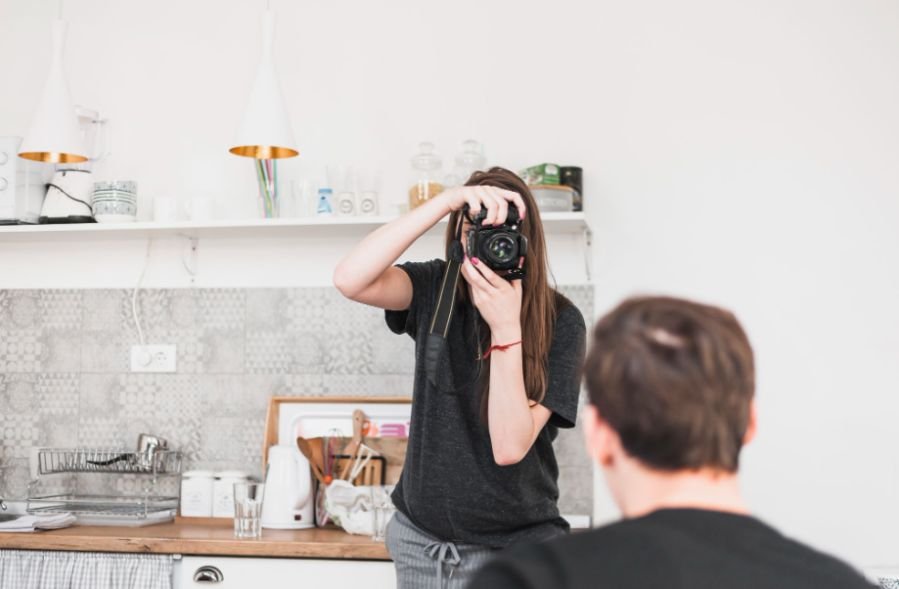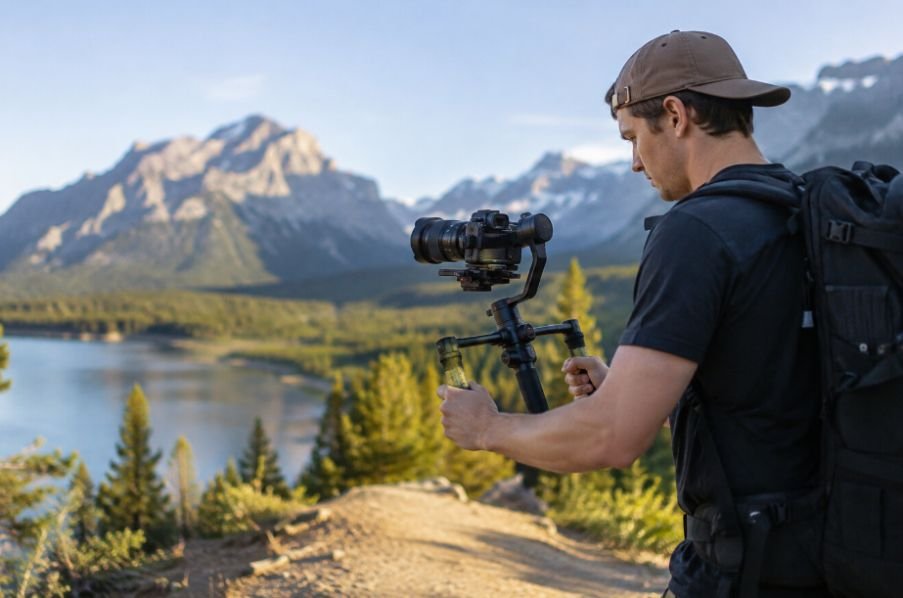




Walking onto a bustling movie set for the first time completely reshaped how digital storytelling felt to me. Watching a camera operator glide seamlessly alongside an actor made me realize that understanding what is a tracking shot mechanics can instantly transform a chaotic indie project into a polished, high-end piece of cinema.
Key Takeaways
- A tracking shot physically moves the camera through a three-dimensional space to follow moving subjects.
- It builds deep viewer immersion by placing the audience directly inside the character’s physical journey.
- True tracking involves physical camera displacement, completely separating it from a stationary camera pan.
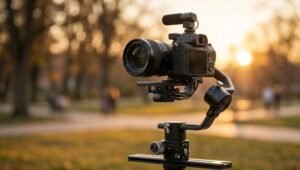
- Modern gimbals, motorized sliders, and specialized dolly tracks serve as the core gear options.
- Master tracking moves by matching the camera’s exact velocity to the actor’s natural pace.
Decoding the Magic of Fluid Motion

Every iconic movie moment relies heavily on how the director manipulates the spatial relationship between the audience and the screen.
A tracking shot is a filmmaking technique where the camera physically moves through space to follow, lead, or glide alongside a subject. Unlike panning or tilting, which rotate from a fixed position, the entire camera body displaces to completely immerse the viewer in the heart of the action.
By shifting the background perspective continuously, this method creates a striking three-dimensional sense of depth that draws viewers deep into the narrative world.
Historically, old Hollywood filmmakers relied exclusively on heavy iron rails laid out across studio floors to achieve smooth horizontal motion.
Modern digital storytelling has totally liberated the camera crew, allowing us to weave through tight corridors, float over rough terrain, and capture long, uninterrupted takes that feel like real life.
Whether you are using a cinematic slider or an advanced stabilization rig, the primary goal remains exactly the same: keeping the emotional focus anchored to the subject as the world shifts around them.
The underlying psychology of this moving perspective relies on a concept called the parallax effect, where objects closer to the lens appear to move faster than the distant background. This natural visual cue mimics how human eyes process actual physical movement, making the audience feel like an active participant walking right alongside the main character.
Because the camera lens physically travels across the floor, it introduces a beautiful, organic energy that static frames simply can never replicate.
Why You Absolutely Need This Move
Why worry about what is a tracking shot anyway? Because static frames are boring, and your audience deserves a front-row seat to the action rather than a cold, detached view from afar. Moving the camera body transforms standard dialogue into an active journey, instantly raising the production value of your projects without needing a Hollywood budget.
Exploring How It Works in Practice
Navigating the dense mechanics of cinematography requires breaking down the core principles of continuous physical movement.
The Motion
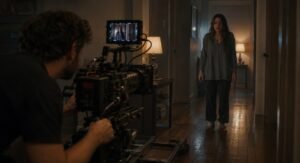
The physical path of the camera dictates the emotional energy of the entire sequence. The camera can trail closely behind a character to build anticipation and curiosity, lead them from the front to capture their immediate facial reactions, or move laterally alongside them to emphasize their speed.
This versatility allows you to control exactly how the audience perceives the environment and the characters within it.
The Tools
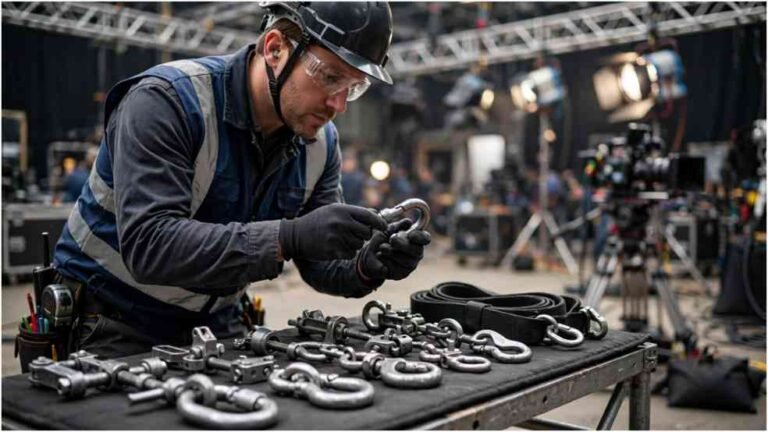
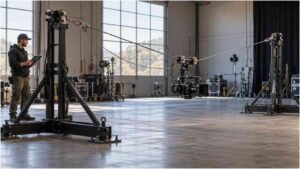
Achieving buttery smooth visuals relies heavily on matching the right gear to your specific environment. Originally, tracking required mounting a heavy camera onto a physical wheeled cart on metal rails, which limited setups to flat surfaces.
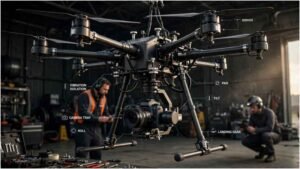
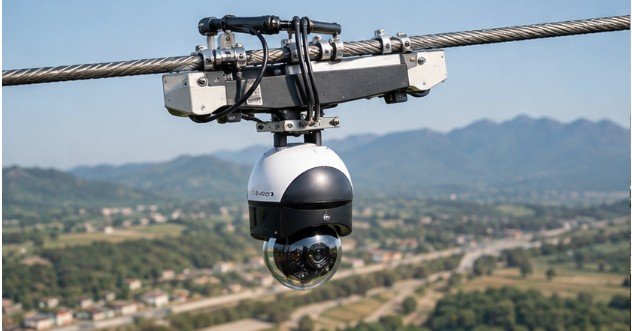
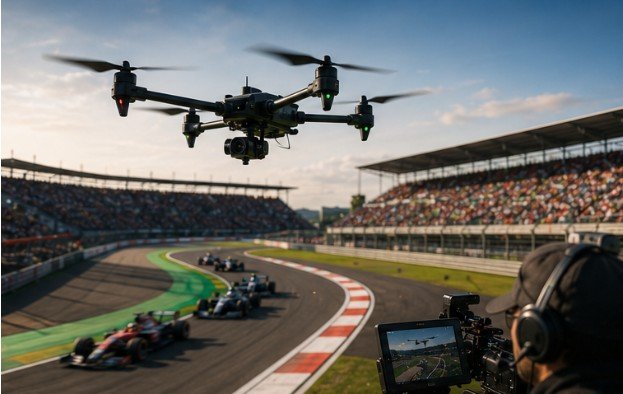
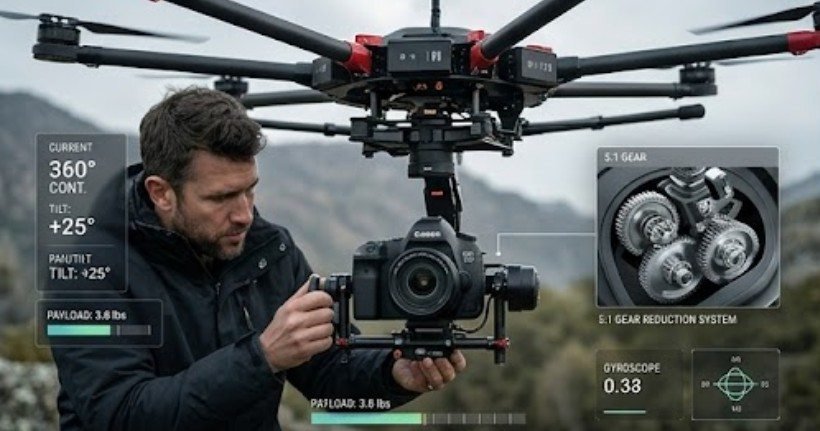
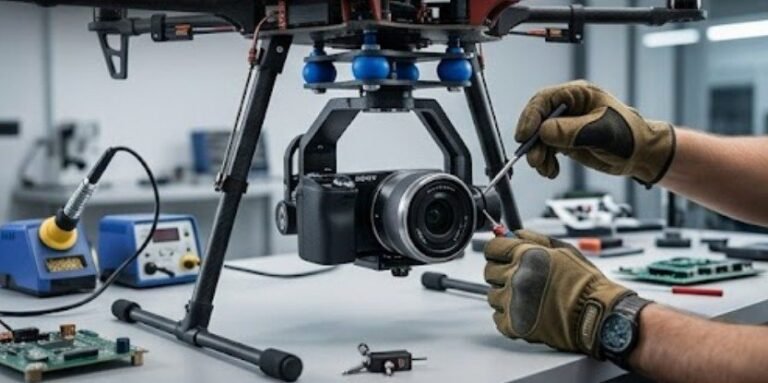
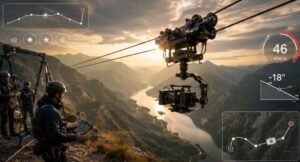
Today, filmmakers use Steadicams, motorized gimbals, drones, and advanced cable cams to achieve fluid, continuous movements across highly dynamic environments.
Duration

The length of your take fundamentally changes how the viewer processes time and tension. Tracking shots can last just a few seconds to punch up an action scene, or they can play out as a single, uninterrupted “oner” that might last several minutes without a single cut. These extended sequences require intense choreography between the actors and the camera crew.
Why Directors Choose Moving Frames
Understanding the creative motivation behind this technique allows you to use it as a powerful psychological tool.
Total Immersion
Altering the spatial dynamic changes how a viewer connects to the screen. Placing the camera inside a character’s environment makes the audience feel like an active participant in the scene rather than an outside observer. This eliminates the invisible wall between the viewer and the medium.
Building Suspense
Limiting what the audience can see is the easiest way to generate genuine fear or excitement. Slowly following a character into a dangerous, unknown space builds immense tension because the audience shares their limited field of view. Viewers are forced to discover hazards at the exact same moment as the protagonist.
Establishing Pacing
The kinetic rhythm of the lens directly influences the internal heartbeat of the story. It naturally ties the rhythm of the camera to the movement and emotional state of the character. A frantic, fast-moving frame communicates panic, while a slow, steady glide signals complete confidence and control.
Master the Technique on Set

Executing a flawless continuous take requires careful preparation, clear communication, and a deep understanding of your physical gear.
To master what is a tracking shot in your own work, start by mapping out your actor’s blocking before bringing out the heavy stabilization equipment. Have your talent walk the space naturally so you can identify potential composition bottlenecks and areas where focus might slip.
Once the path is set, practice matching the physical speed of your camera rig to the precise walking velocity of the subject to maintain consistent framing.
Utilizing a reliable wireless follow-focus system is absolutely critical to keep your subject sharp as the distance between the lens and the actor naturally fluctuates. Additionally, ensure the entire floor path is completely clear of stray cables or equipment bags that could cause dangerous trips or unwanted camera bumps during a take.
Opting for wider cinema lenses when starting out will also help, as wider focal lengths naturally minimize minor handheld vibrations.
Frequently Asked Questions
1. What is a tracking shot example?
A prime example is the classic Copacabana sequence in the movie Goodfellas. The camera smoothly follows the main characters through a bustling kitchen door and into the nightclub in one continuous, legendary take without a single cut.
2. What is the difference between a trucking shot and a tracking shot?
A trucking shot specifically refers to a camera moving strictly sideways left or right on a track. Conversely, what is a tracking shot encompasses any physical camera movement forward, backward, or alongside a subject through space.
3. What is the difference between a panning shot and a tracking shot?
A panning shot swivels the camera horizontally left or right from a fixed, stationary tripod base. A true tracking shot requires the entire camera body to physically displace and travel through the room.
4. What equipment is needed for a tracking shot?
Filmmakers execute this technique using standard heavy-duty dolly tracks, compact motorized camera sliders, portable three-axis handheld gimbals, or advanced steadicam stabilization vests depending on the structural needs of the location.
Roll, Action, Camera
Mastering the tracking shot is an absolute rite of passage that shifts your creative identity from a basic video creator to a thoughtful visual storyteller.
By physically moving your lens through space, you unlock a powerful cinematic tool that breathes life, depth, and energy into every single frame you capture. Grab your gimbal or slider, head out into the field, and start experimenting with moving perspectives today!